

BASA Bosnia Aeronautical Space Agency

Vehicle Families

BASA systems are organized around bold experiments, not conservative design.

Each program pursues a distinct engineering question: crewed thrust geometry in PK, orbital-reaching rocket experiments in Hava, high-energy neo architecture in Yn, and record-focused suborbital development in Sacrifice.

PK

Pederska Krava

Experimental crew-capable rocket systems focused on frame geometry, thrust configuration, and field-capable support hardware built collaboratively by the BASA crew.

  • PK-1: First PK rocket, triangular frame, multiple thrusters, 2 seats.
  • PK-2: 8 thrusters on square framing, 2 seats, reached 2.1 million studs.
  • PK-A to PK-D: Test articles built to validate the theory of thrusticular delay.
  • PK-3: Future design derived from PK-2, intended to push higher altitudes using thrusticular delay.
  • MSCV: PK mobile support vehicle for communications and field command work.

Yn

Experimental Neo Spacecraft

High-velocity suborbital vehicles balancing propulsion efficiency, guidance stability, and aggressive altitude targets.

  • Yn-Delta 1: 1,832,032 studs, ~7,000 km/h, acceleration anomaly recorded.
  • Yn-Delta 2: 332,481 studs, ~5,107 km/h, turbine failure severely reduced thrust.
  • Provides the broader neo architecture context from which later BASA high-energy vehicles evolved.

Sacrifice

Sacrifice Program

Dedicated BASA flight program built around repeated neo-architecture record attempts, aggressive optimization, and the agency's highest-performing suborbital missions.

  • Includes Sacrifice 1 and Sacrifice 8neo through Sacrifice 11neo plus related refinements.
  • Produced BASA's current altitude record at 3,030,806 studs.
  • Originally set a legacy benchmark at 2,557,246 studs with Sacrifice 1.

Hava

Experimental Rockets

Direct atmospheric and orbital test vehicles designed to learn quickly from both success and catastrophic failure.

  • Hava 1: Reached low Earth orbit before turbine failure.
  • Hava 2: Lost during ascent.
  • Hava 3: Launch explosion caused by user error.
  • Hava 4: Reached L.EO before turbine failure ended the mission.

HOTASS

TeleCommuniBus / Van Series

HOTASS stands for Hub for Orbital Telemetry and Antenna Signal Services / Hazard Observation & Tornado Analysis Sensing System.

  • HOTASS 1 was the first TeleCommuniBus and the origin point of the series.
  • Configured as either a bus or van depending on mission profile.
  • Outfitted with solar panels, antennas, and satellite disks for field support.

MSCV

Mobile Stellar Communications Vehicle

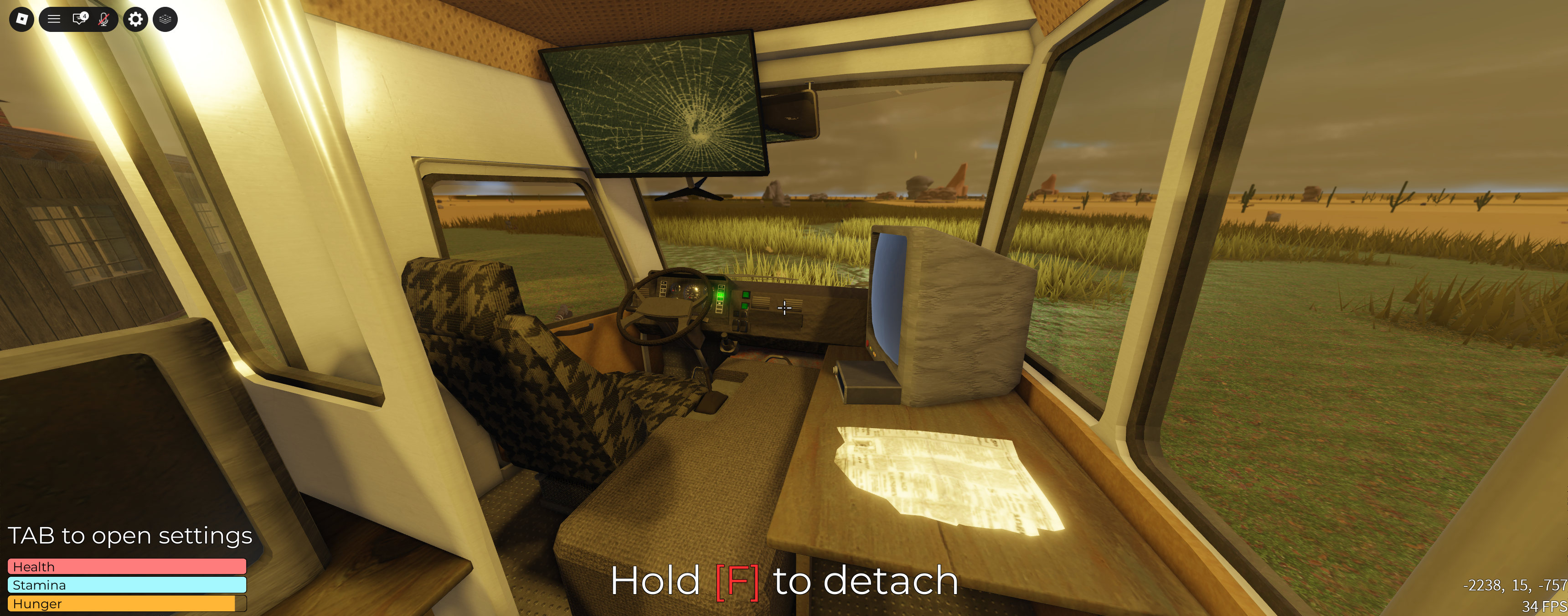
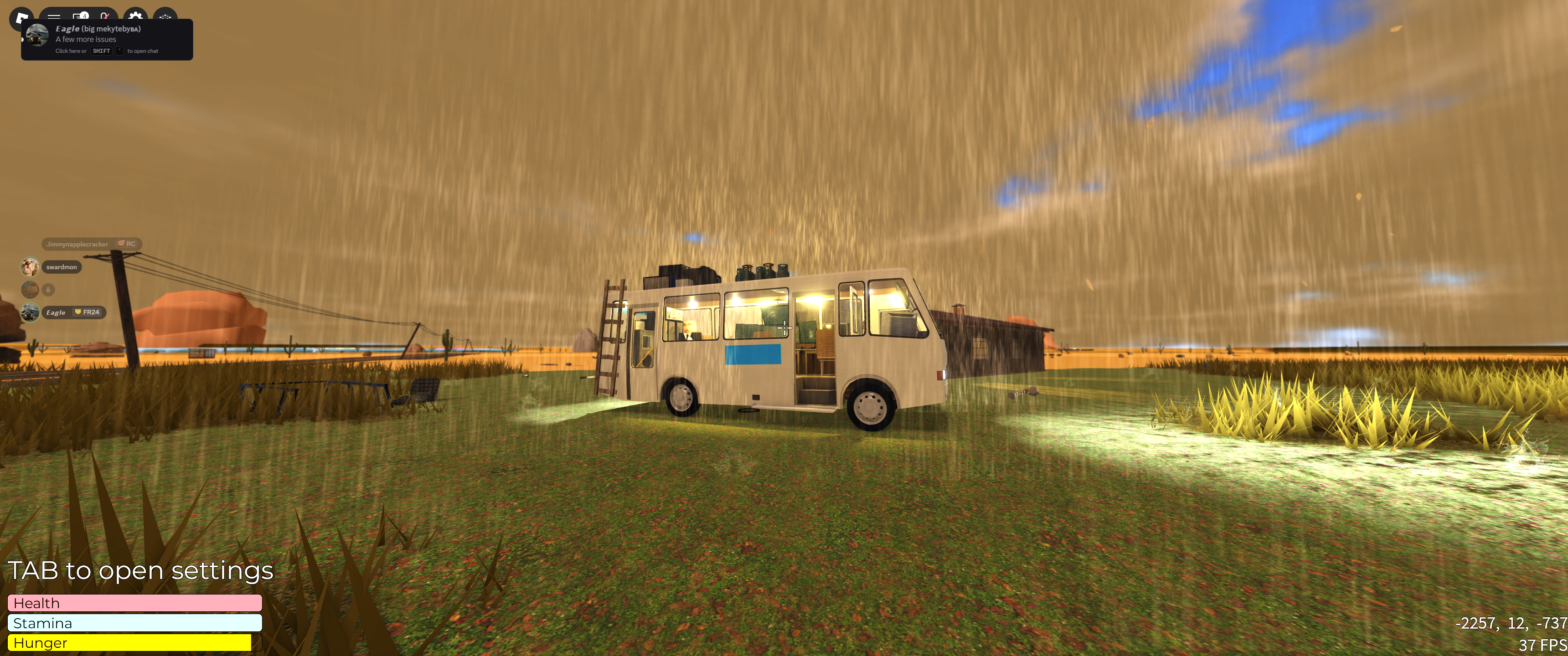
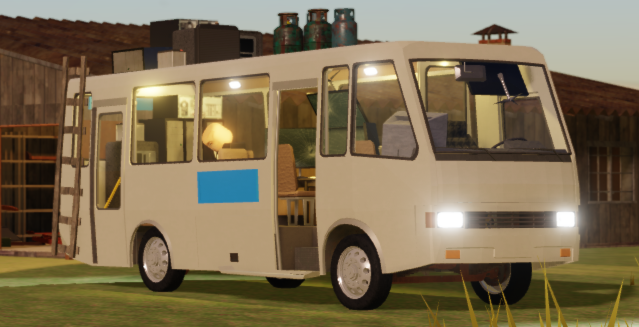
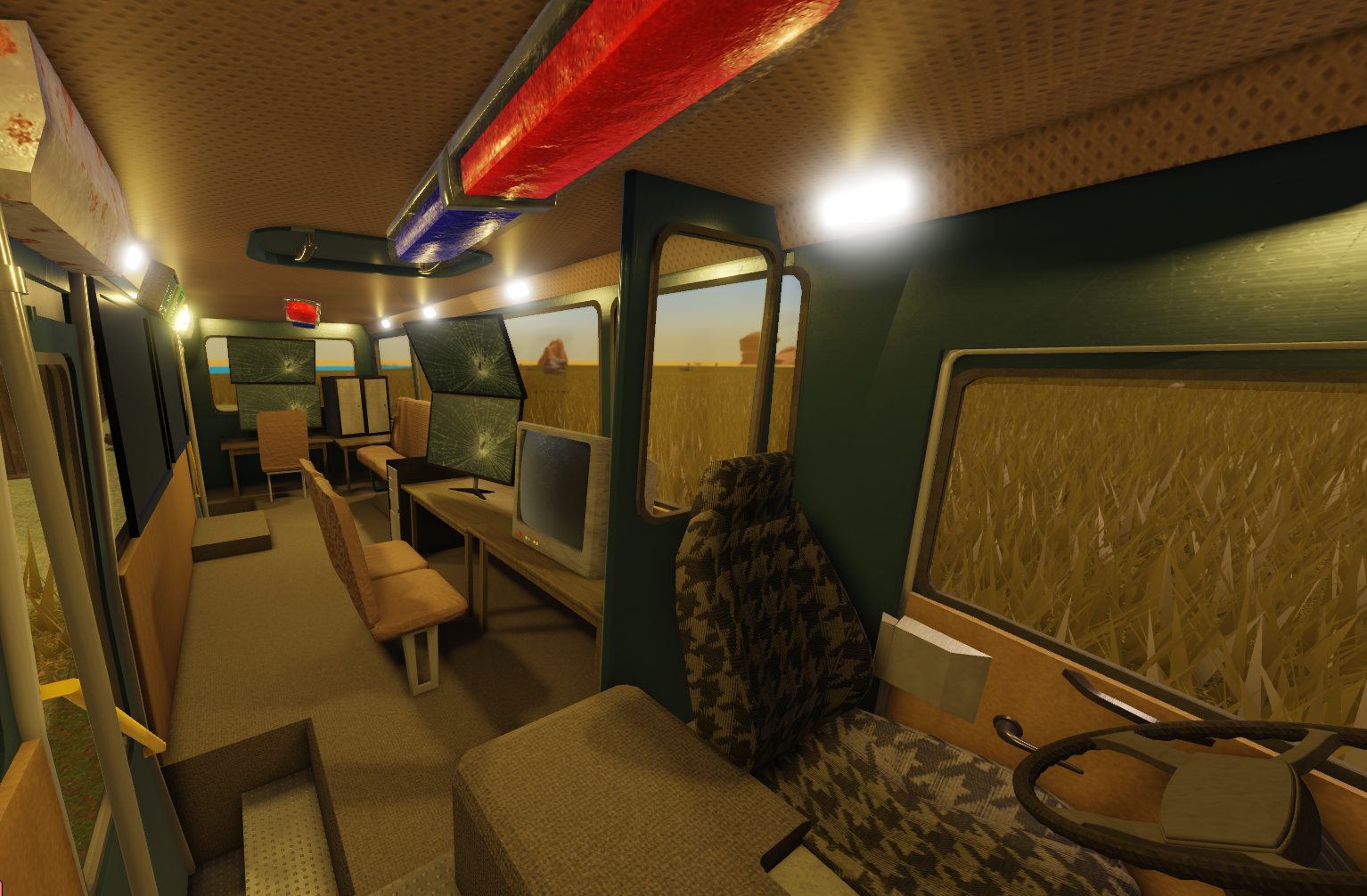
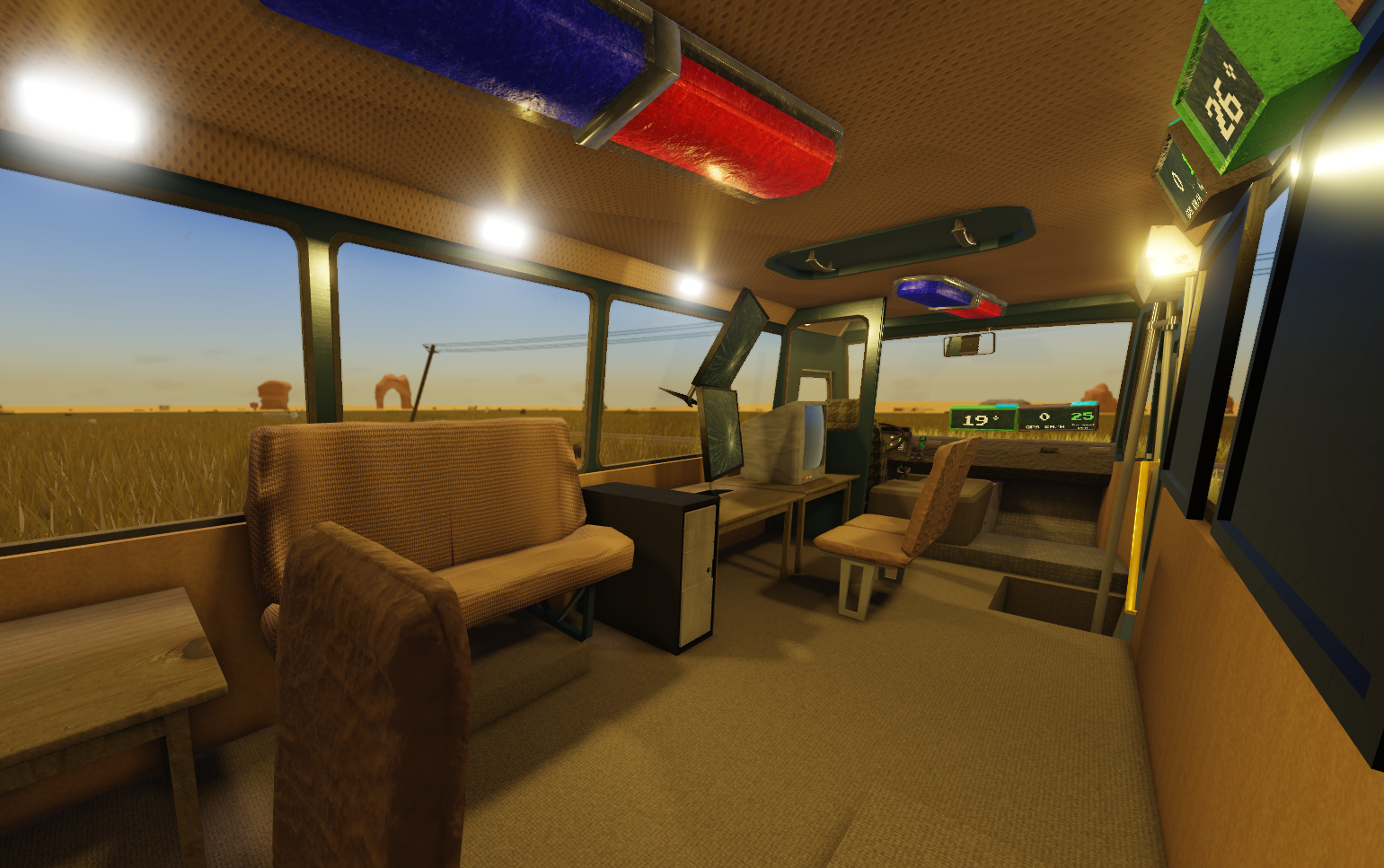
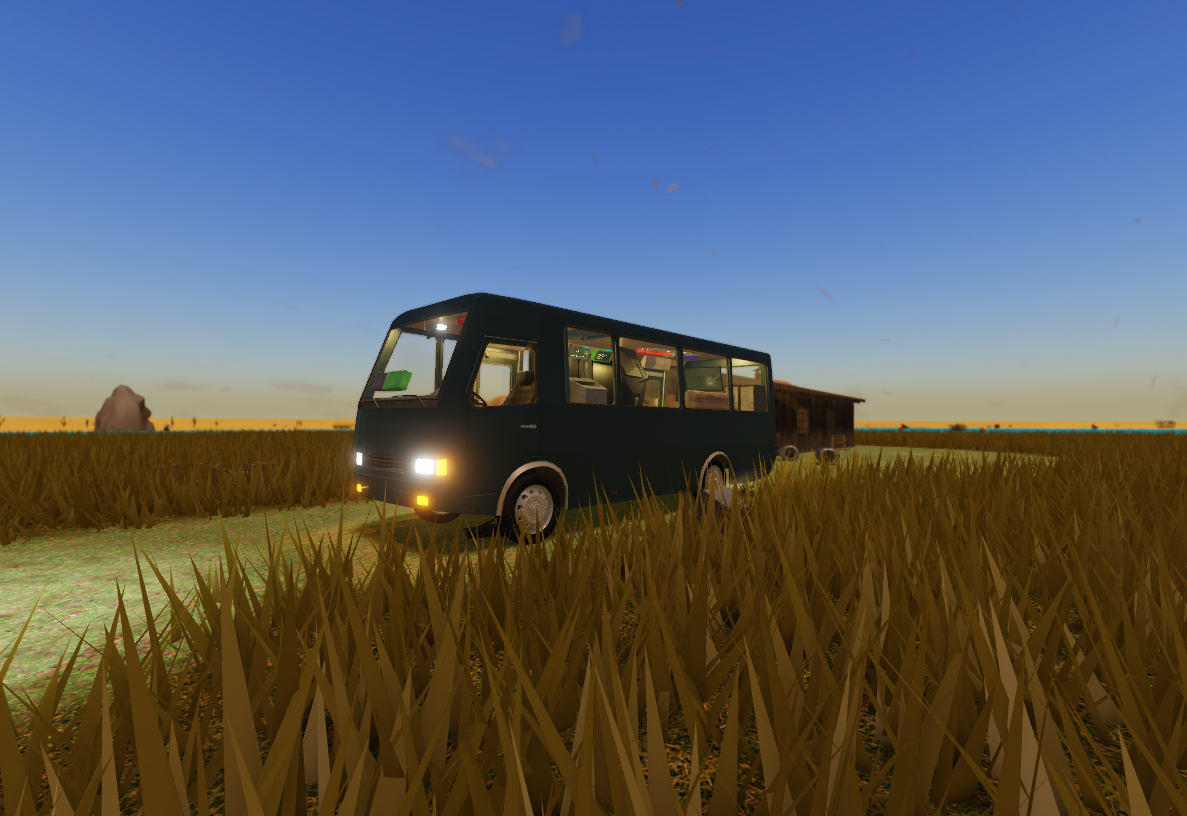
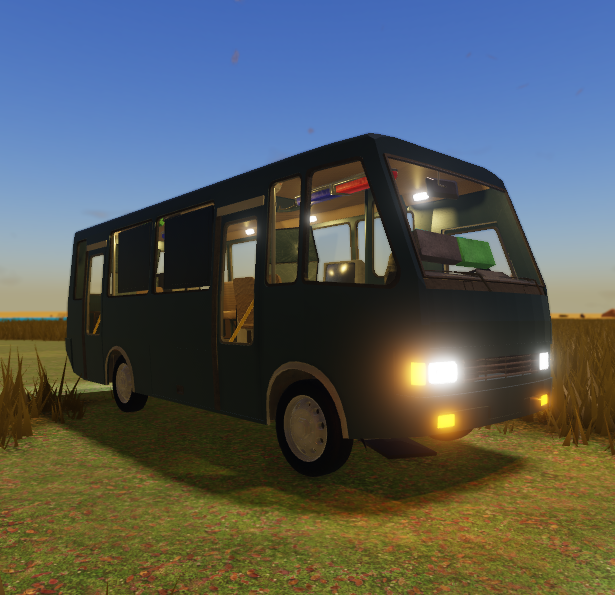
Dedicated PK ground support vehicle designed as a mobile control room for field communications, equipment staging, and live mission monitoring.

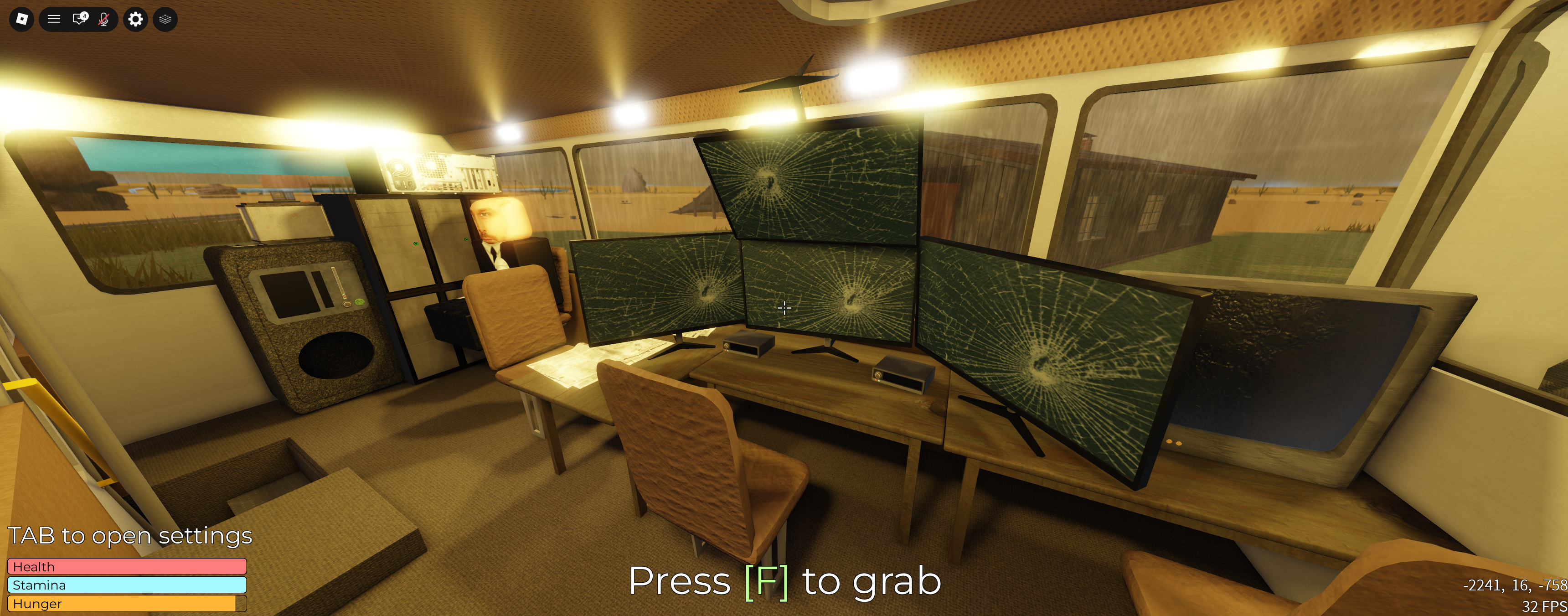
  • Configured as a road-deployable operations cabin with driver and workstation sections.
  • Includes communications consoles, multi-screen monitoring positions, and protected interior work areas.
  • Supports off-site PK launch oversight when command capability is needed away from SJJ Mission Control.

MSCV Gallery

A field-ready mobile command cabin for PK operations.

Bosnia Context

Program identity is grounded in Bosnia as much as hardware.